


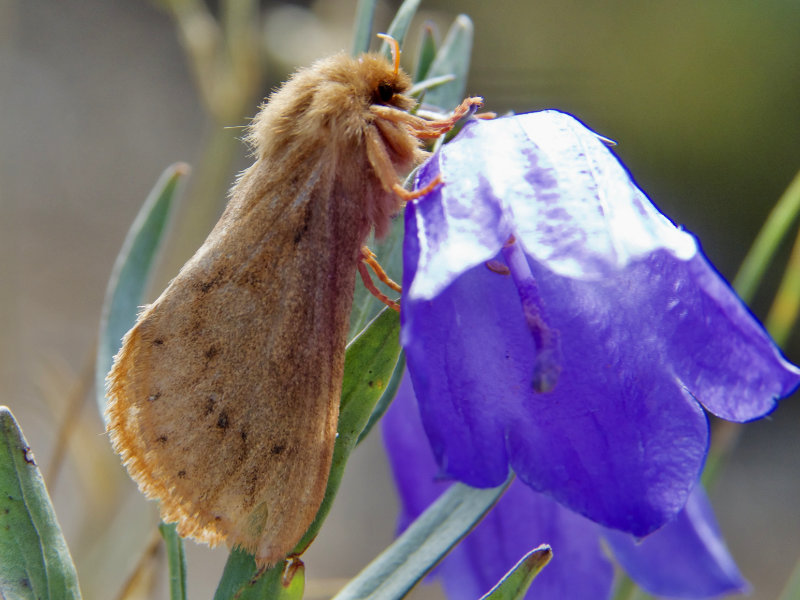


09/27/2008 Dungeness National Wildlife Refuge, Washington
09/27/2008 Dungeness National Wildlife Refuge, Washington
10/05/2005 Heart O' the Hills Area, Olympic National Park, Washington
Sunrise Ridge Trail Olympic National Park, Washington
09/22/2006 Heart O' the Hills Area, Olympic National Park, Washington
09/22/2006 Heart O' the Hills Area, Olympic National Park, Washington
09/22/2006 Heart O' the Hills Area, Olympic National Park, Washington
09/22/2006 Heart O' the Hills Area, Olympic National Park, Washington
9/06/2005 Heart O' the Hills Area, Olympic National Park, Washington
9/08/2022 Upper Wolf Creek Trail, Hurricane Ridge, Olympic National Park, WA
The caterpillars commonly called woolly bears are the larvae of two moth species the Banded Woolly Bear, Isabella Tiger Moth, Pyrrharctia isabella, and the Yellow Woolly Bear, Vestal Tiger Moth Spilosoma virginica.
Like all caterpillars, they have six jointed true legs in the front and several pairs of soft prolegs in the rear (slide 6).
Photos of the adult moths and photos of other variant colorations are in Insects of the Pacific Northwest, by Peter Haggard and Judy Haggard and on bugguide.net.