
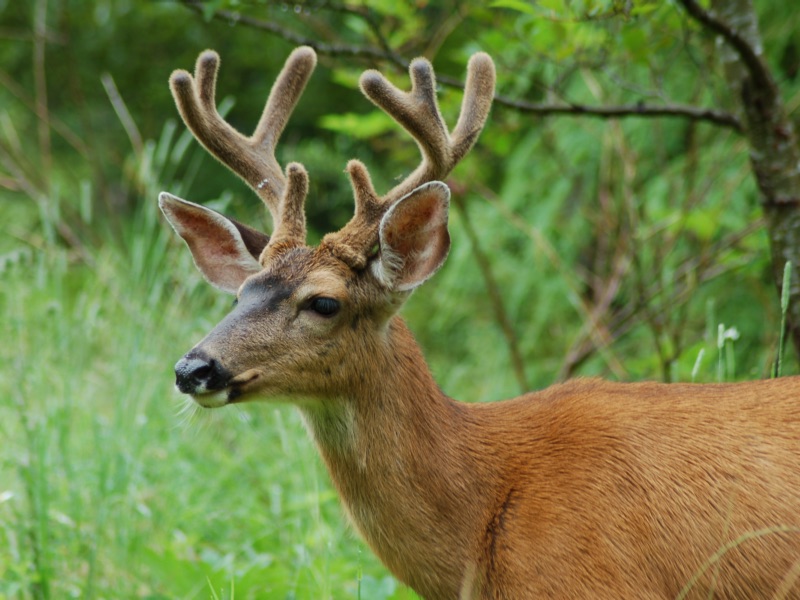
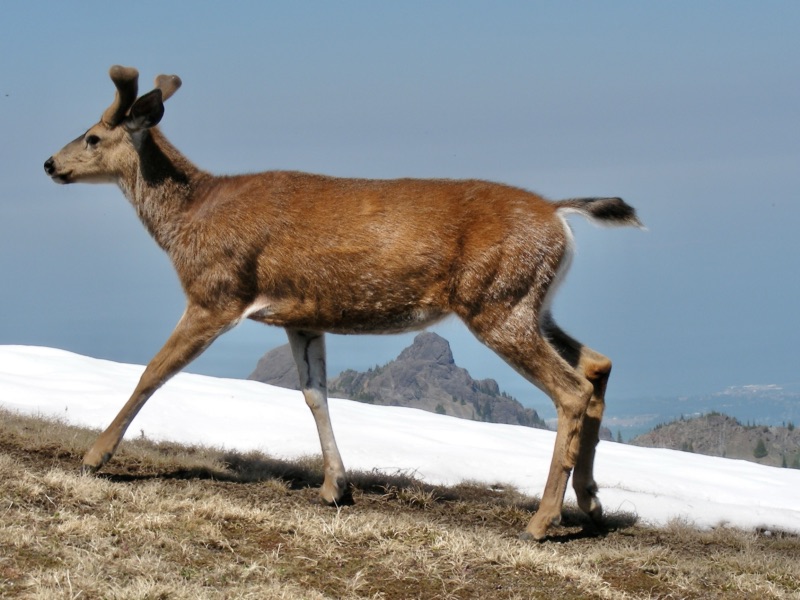
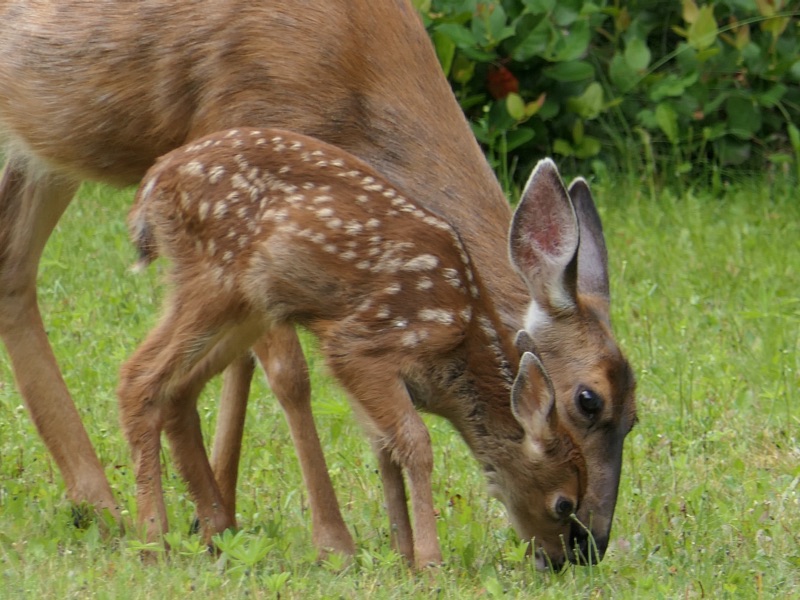
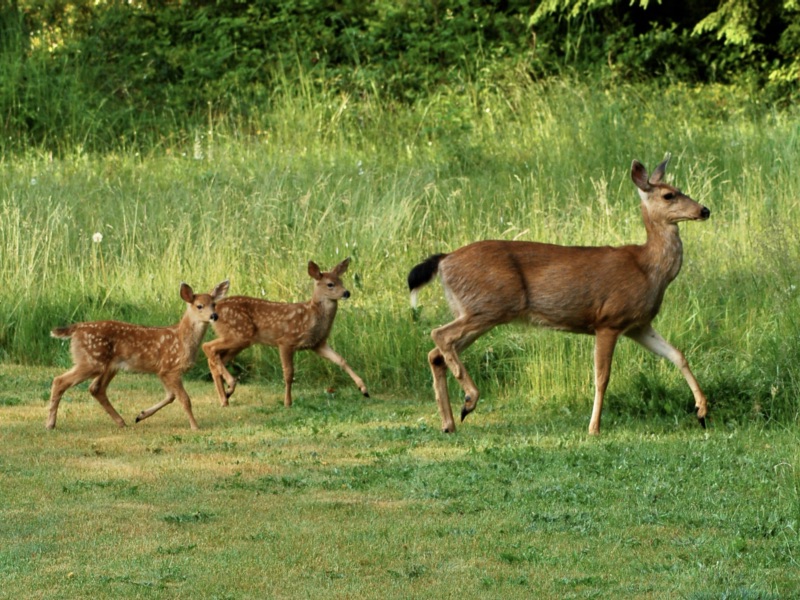
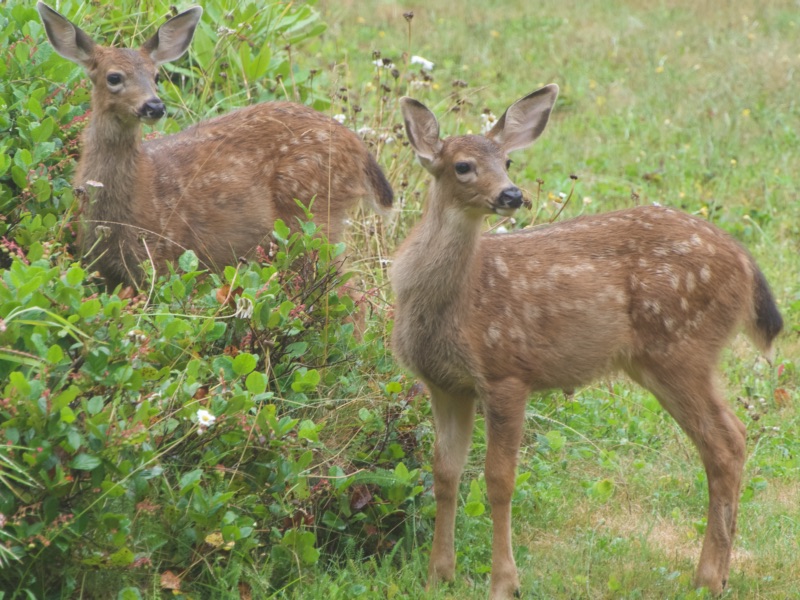
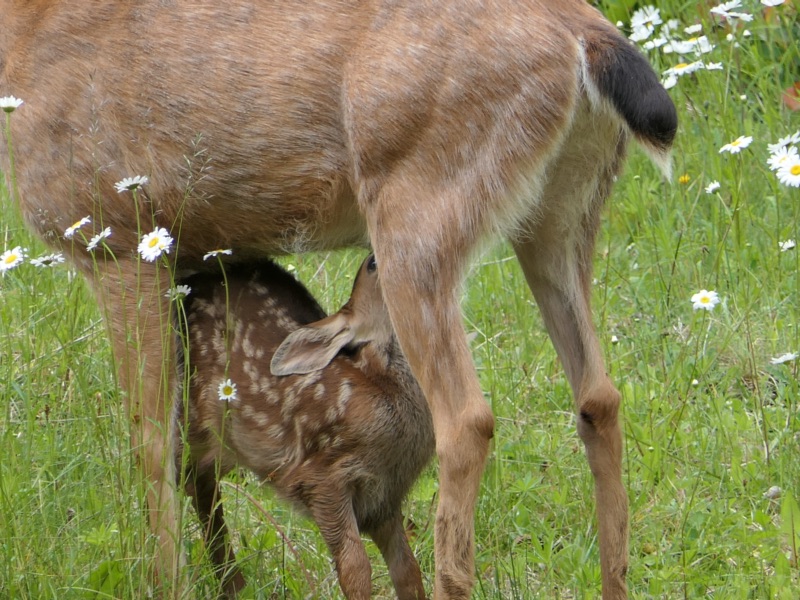
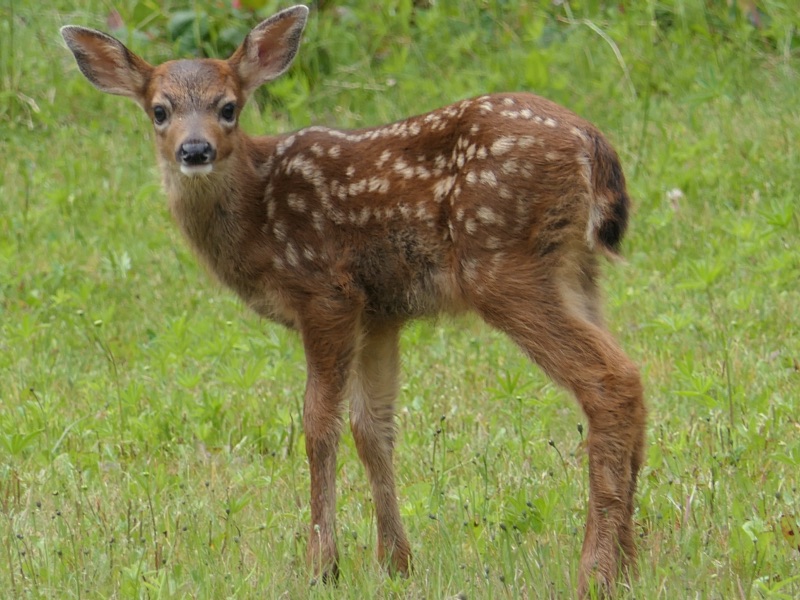
Odocoileus hemionus columbianus
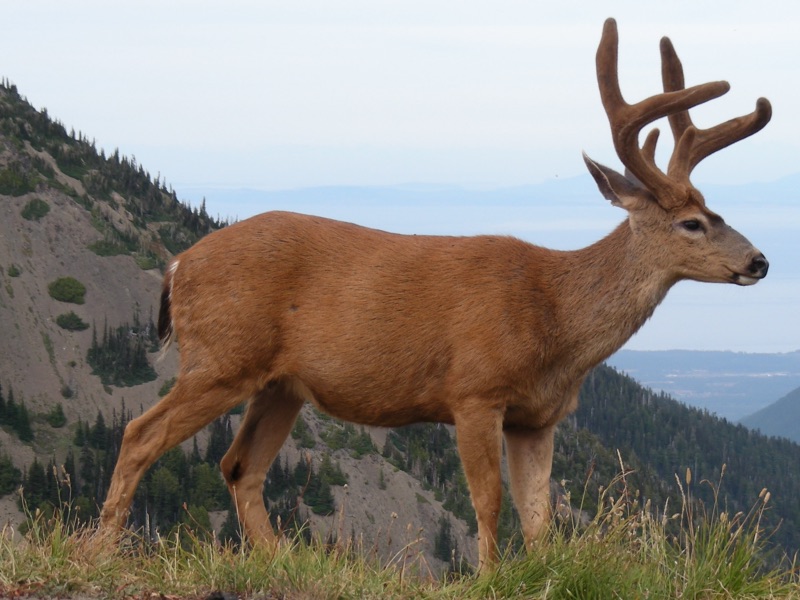
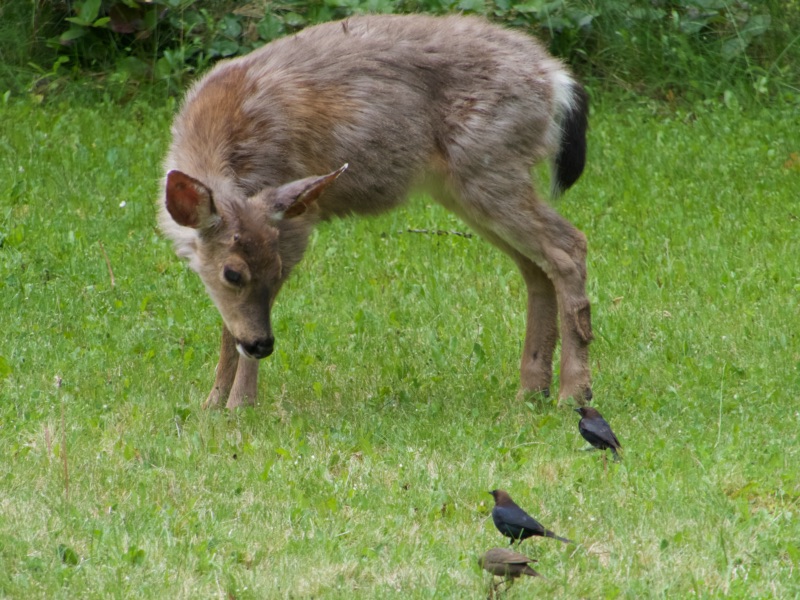
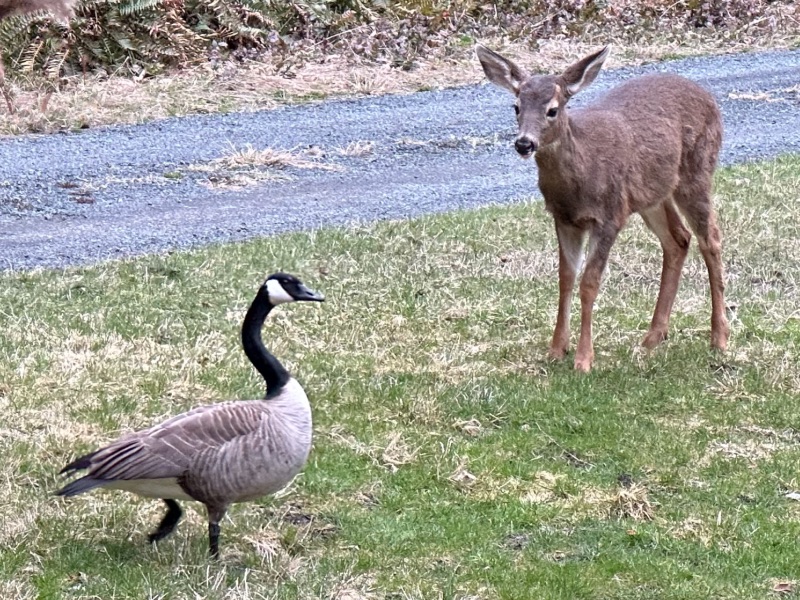
08/26/2009 Obstruction Point Road West, Olympic National Park, Washington
07/23/2007 Heart O' the Hills Area Olympic National Park, Washington
07/01/2008 Hurricane Hill Area Olympic National Park, Washington
06/26/2019 Heart O' the Hills Area Olympic National Park, Washington
07/06/2008 Heart O' the Hills Area Olympic National Park, Washington
08/21/2019 Heart O' the Hills Area Olympic National Park, Washington
06/26/2019 Heart O' the Hills Area Olympic National Park, Washington
06/26/2019 Heart O' the Hills Area Olympic National Park, Washington
06/26/2019 Heart O' the Hills Area Olympic National Park, Washington
06/26/2019 Heart O' the Hills Area Olympic National Park, Washington
Columbian Black-tailed Deer, Odocoileus hemionus columbianus, live all around the Olympic Peninsula, ranging from sea level to the mile-high ridges of the Olympic mountains. They are common visitors to yards in the Heart O' the Hills Area near Olympic National Park, throughout the year where they browse and graze. In the spring, does bear one or two fawns that stay with the doe for several months or longer. They occasionally fall prey to cougars Puma concolor.